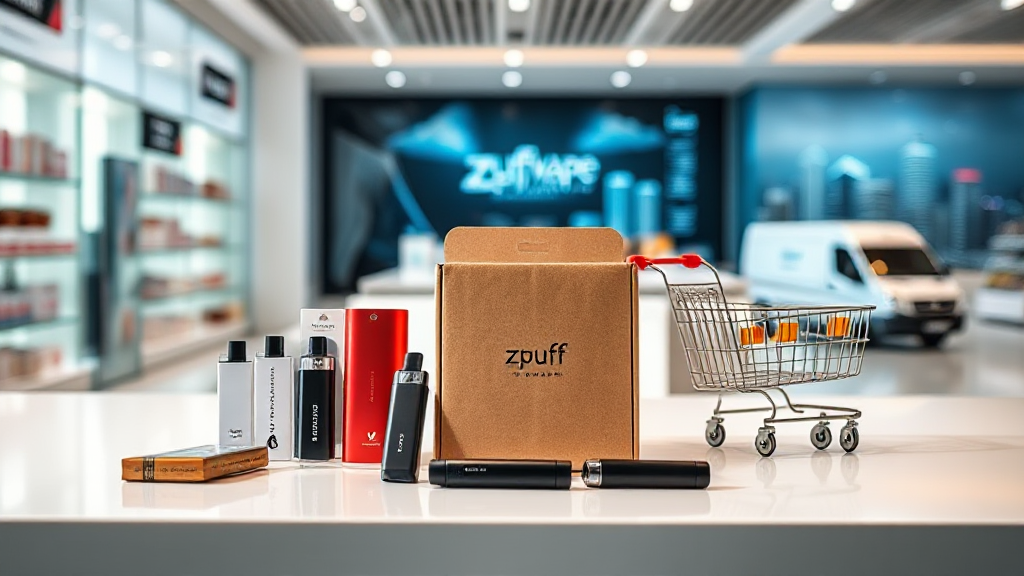
Good Versus Careless Vape Packaging for Singapore Delivery
A well-packed vape parcel and a careless one look similar from the outside until the box is opened. Both arrive taped, labelled, and roughly the same size. The difference shows up the moment you cut the seal: one parcel protects what you paid for, the other simply contained it. For anyone ordering devices such as the marbo 25k, that distinction matters more than most buyers realise, because handling standards decide whether a high-puff disposable reaches you in perfect working order or arrives with a cracked shell, a leaking pod, or a battery that has been knocked around in transit.
This is a standards-and-failures comparison. Below, each handling standard is paired with the careless version of the same step, so you can judge a parcel not by how tidy the courier bag looks, but by what the packing actually did to protect the product inside.
Standard One: Rigid Outer Protection Versus a Soft Bag Alone
The first thing a careful retailer gets right is the outer layer. A disposable vape is a sealed unit with a battery, a mouthpiece, and a liquid chamber, and none of those parts respond well to compression. Good practice is a rigid box, sized close to the device, with the product held so it cannot slide. The box should resist a firm squeeze from a stack of other parcels, because that is exactly what happens in a delivery van.
The careless version is a padded mailer with nothing rigid inside. It feels acceptable in the hand, and sellers like it because it is cheap and light. But a soft bag offers no resistance to pressure, and it transfers every bump straight to the device. If you have ever opened a parcel and found the mouthpiece slightly out of alignment, the bag is usually the reason. When you order a marbo vape 25k, the outer packaging should hold its shape on its own, even before you open it.
Standard Two: Internal Cushioning Versus Loose Contents
Inside the box, the second standard is movement control. A properly packed parcel has the device cushioned on all sides, usually with a foam wrap, a moulded insert, or at minimum a bubble sleeve taped so it cannot unroll. The goal is simple: if you shake the closed box, you should hear nothing shifting.
Careless packing skips this entirely. The device sits loose beside a charging cable or a promotional card, and every handling event becomes a small collision. Over a short domestic route this may cause no visible damage, but over a longer one it can loosen internal connections. This is also where smaller items suffer disproportionately, because they have more room to rattle. A compact device like the lana pen plus 9k should arrive seated in its own space, not sliding around the bottom of a box.
There is a practical test any buyer can run. Open the parcel, lift the device out, and look at the empty packaging. If the space it came from is shaped to hold it, that is a good sign. If the space is just empty air, the packing was containment, not protection.
Standard Three: Sealed Liquid and Battery Handling Versus Exposure
Disposable vapes contain liquid and a battery, and both need to be treated as sensitive during transit. Good handling means the device stays in its factory seal until it reaches you, the seal is intact with no signs of re-taping, and the parcel is kept away from heat and direct sun during the delivery window. Reputable sellers store stock in climate-controlled conditions and pack orders in a way that does not press on the liquid chamber.
Careless handling shows up in several recognisable ways. The factory seal is missing or clearly reapplied. The device feels warm on arrival because it sat in a hot vehicle. There is residue near the mouthpiece or an oily film on the wrapper, which usually means the unit was stored or transported at an angle under pressure. None of these are cosmetic complaints. They are early indicators that the device was not treated as a sealed product with a battery inside.
This standard also covers how the parcel is presented at the door. Discreet packaging is not just a privacy preference, it is part of handling discipline. A plain outer layer with no product branding protects the contents from casual handling and keeps the delivery low-profile, which is a normal expectation for adult buyers in Singapore. A careful seller will also keep the invoice separate from the outer labelling so the parcel does not advertise what is inside.
Standard Four: Courier Handover and Cash on Delivery Versus a Dropped Parcel
The final stage is the handover, and it is the one buyers see directly. A good handover has three parts: the parcel arrives within the promised window, the outer packaging is undamaged, and the recipient is asked to confirm receipt rather than having the parcel left unattended. Cash on delivery adds a fourth: the payment step happens at the door, in a controlled way, with the parcel still sealed while payment is completed.
Careless handover looks different. The parcel is left on a shoe rack or behind a gate without confirmation. The outer box is dented or crushed at a corner, which tells you the internal cushioning has already been tested. The delivery is late enough that the parcel has sat in a vehicle through the hottest part of the day. When you pay on delivery, you are paying for a product in good condition, so it is entirely reasonable to inspect the outer packaging before handing over cash.
This is also the point where a buyer’s own habits matter. Checking the seal, confirming the device model matches what was ordered, and noting any damage before payment are all normal steps. A seller who expects you to skip those steps is telling you something about their handling standards. If you are comparing options, look for a store that treats delivery and payment as part of the product experience, not an afterthought. The same discipline applies across a catalogue, whether the item is a lana pix 20k or something smaller from the same range.
What Good and Careless Packing Look Like Side by Side
Put the two parcels next to each other and the contrast becomes concrete.
Good packing: a rigid box sized to the device; internal cushioning on all sides; no movement when shaken; factory seal intact; plain outer labelling; stored away from heat; delivered within the promised window; payment completed at the door with the parcel still sealed.
Careless packing: a soft mailer with nothing rigid; loose contents beside a cable or card; a rattle when shaken; a missing or reapplied seal; branded outer labelling; a warm device on arrival; a crushed corner; a parcel left unattended; payment taken before the buyer can look at anything.
The pattern is consistent. Careless packing is not one big mistake, it is a series of small shortcuts that each seem harmless on their own. A soft bag instead of a box. No cushioning because the device is small. A seal skipped because the order was rushed. Each shortcut removes one layer of protection, and by the time the parcel reaches your door there is nothing left between the device and the journey it just took.
Good packing is the same list read in reverse: every shortcut replaced by a deliberate step. It costs the seller a little more time and material, and it is the clearest signal that the product was treated as something worth protecting. That standard should hold across an entire range, not just the headline items. A buyer comparing a compact device such as the lana pix against a larger one like the snowwolf 16k should receive the same handling discipline for both, because the packaging standard is a property of the seller, not of the price point.
It is worth extending the same scrutiny to adjacent product categories. Heated tobacco users ordering terea singapore supplies, or buyers picking up a compact option such as the lana ultra 2, are all relying on the same chain: storage, packing, courier, handover. If any link is careless, the product arrives compromised regardless of how good it looked on the product page.
The practical takeaway is to judge a seller by the parcel, not the listing. Before you order, ask how the item is packed, whether the outer layer is rigid, and how cash on delivery is handled at the door. After you order, inspect the seal and the outer box before you pay, and treat a rattle or a warm device as a reason to pause rather than a minor annoyance. Packaging is the part of the purchase you can actually verify with your own hands, and it tells you more about a seller’s standards than any product description ever will. A parcel that protects its contents from the warehouse to your door is the baseline you should expect, and the one worth insisting on.


More Stories
From First Message to Doorstep: Ordering Vapes in Singapore Step by Step
Your First Same-Day Vape Delivery Order in Singapore, Step by Step