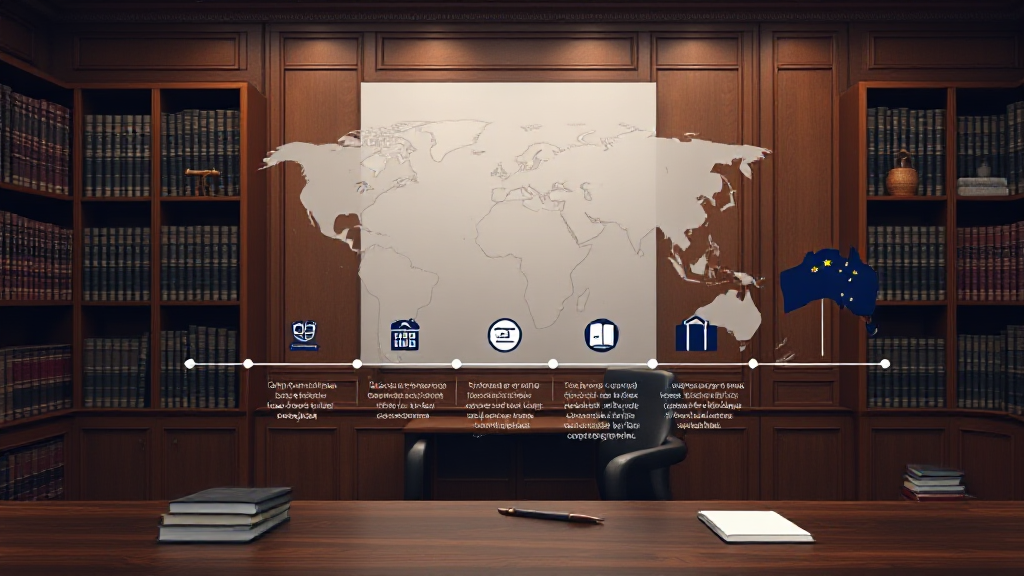
From Complaint to International Notice: A Cybercrime Timeline
It begins with a single filing. On day zero, a complainant in a foreign jurisdiction — perhaps a bank, a corporate victim, or a national cybercrime unit — submits a formal allegation that a cybercrime was committed and that the person responsible may be located in Vietnam. That document, often accompanied by server logs, transaction records, and forensic reports, sets in motion a chain of events that can eventually reach across borders. For anyone trying to understand the extradition process from Vietnam, the most useful way to grasp it is chronologically: each stage builds on the last, and each has its own legal logic and its own delays.
This timeline explains what typically happens between that initial complaint and the moment an international notice or formal request lands in Vietnam. It is written for readers who want to know what comes next, and it deliberately avoids speculation about individual cases. Procedure, not prediction, is the focus.
Stage 1: The Complaint and Preliminary Investigation Abroad
Day zero is the filing. In most legal systems, a cybercrime allegation is not automatically an arrest warrant. It is a report that triggers a preliminary assessment. Investigators ask basic questions: Is there evidence a crime occurred? Is there a identifiable suspect? Does the alleged conduct fall within the country’s criminal code? For cybercrime, this often means examining unauthorized access, data interference, fraud, or identity theft under statutes that may be several years old and only partly adapted to modern offences.
During this stage, the investigating authority may issue preservation orders to internet service providers, seek subscriber data, and trace cryptocurrency flows. This phase can last weeks or months. Crucially, the suspect is usually unaware of it. No international instrument has yet been activated, and no notice has been transmitted to Vietnam. The case is still domestic in character, even though its subject matter is inherently cross-border.
What matters for the timeline is that this stage produces the evidentiary foundation. Without sufficient material to identify a suspect and connect them to conduct criminalized in the requesting state, the process cannot advance. If the evidence is thin, the file may close quietly. If it is strong, the next stage begins.
Stage 2: Formal Charges and the Decision to Seek a Person Abroad
Once investigators believe they have identified a suspect, the case moves to prosecutors or an equivalent authority. This is where a cybercrime investigation becomes a potential extradition matter. The prosecution must decide whether to lay formal charges and whether to seek the suspect’s presence through international cooperation. Not every charged suspect abroad is pursued; cost, diplomatic sensitivity, and the strength of the case all influence the decision.
If the decision is to pursue, the requesting state prepares a domestic arrest warrant or its equivalent. That warrant is a prerequisite for most international requests. At this point, the suspect may still be entirely unaware that they are the subject of proceedings. In some jurisdictions, a sealed indictment or a confidential warrant keeps the matter quiet to prevent flight or evidence destruction.
This stage also involves an early treaty check. Extradition is not a general power; it depends on a treaty, convention, or reciprocal arrangement between the requesting state and Vietnam. Cybercrime offences must be covered, and the conduct must meet dual criminality requirements — meaning it must be a crime in both countries. If the offence is purely political or military in character, or if it carries a penalty below the treaty threshold, the request may never be viable. Legal advisers often begin their assessment here, well before any public step is taken.
Stage 3: International Notice, Red Notices, and Provisional Arrest Requests
This is the stage most people picture: an international notice. Depending on the jurisdiction, the requesting state may seek a Red Notice through INTERPOL, a European Arrest Warrant (where applicable), or a direct diplomatic channel. A Red Notice is not an international arrest warrant in itself; it is a request to law enforcement worldwide to locate and provisionally arrest a person pending extradition. It can be published quickly, but it is also subject to INTERPOL’s own rules and can be challenged.
In parallel, the requesting state may send a provisional arrest request to Vietnam. This is an urgent, temporary measure used when a suspect is believed to be in the country and may flee. It does not require the full extradition dossier; it requires a promise that the formal request will follow within a specified period, often forty to sixty days depending on the applicable treaty.
For the person concerned, this is often the first moment of awareness. A Red Notice may surface during a border check, a visa application, or a routine police interaction. Alternatively, Vietnamese authorities may contact the individual directly. The timeline now accelerates, because provisional arrest triggers deadlines that did not exist before.
It is worth noting that Vietnam’s own legal framework governs how foreign requests are received. Vietnam is not a party to every multilateral extradition convention, and its cooperation often depends on bilateral treaties or ad hoc arrangements. The presence of a treaty does not guarantee extradition; it establishes the channel through which the request must pass.
Stage 4: Vietnamese Review, Detention, and the Dual Criminality Assessment
Once a request reaches Vietnam, it enters the Vietnamese legal system. The competent authority — typically the Supreme People’s Procuracy in coordination with the Ministry of Public Security and the Ministry of Foreign Affairs — reviews the file. This review is not a trial of guilt. It is an assessment of whether the formal requirements are met: identity of the person, existence of a valid treaty, dual criminality, severity of penalty, and whether any mandatory or discretionary grounds for refusal apply.
If the person is not already in custody, Vietnamese authorities may order detention or other measures. The individual is normally entitled to notice of the request and to legal representation. Vietnamese law provides for a court procedure to consider the foreign extradition request, and the person concerned can raise objections — for example, that the offence is political, that they are a Vietnamese national, or that the request is manifestly unfounded.
Dual criminality is often the central battleground in cybercrime cases. The conduct alleged must correspond to an offence under Vietnamese law. Because cybercrime statutes vary, a charge that is straightforward in the requesting state may not map cleanly onto Vietnamese provisions. Where it does, the analysis moves to proportionality and human rights considerations, including whether the requesting state can guarantee a fair trial and humane detention conditions.
This stage can take months. Vietnamese courts do not operate on the requesting state’s timetable, and appeals or procedural challenges add further delay. During this period, the individual may remain in detention or under other restrictions, depending on the court’s assessment of flight risk and the nature of the allegations.
Stage 5: The Decision, Surrender, and What Comes After
The final stage is the decision. If the Vietnamese court and the competent executive authority determine that the request is lawful and the legal conditions are satisfied, the person may be surrendered to the requesting state. Surrender is typically arranged through diplomatic and law enforcement channels, with agreed timing and transfer logistics. The person is handed over to representatives of the requesting state and transported to face proceedings there.
If the request is refused, the reasons matter. Refusal may be based on nationality, dual criminality failure, political offence exceptions, human rights concerns, or procedural defects. A refusal does not always end the matter; the requesting state may be able to correct deficiencies and resubmit, or pursue alternative avenues such as prosecution in Vietnam or mutual legal assistance short of extradition.
Even after surrender, the process is not over. The person will face the criminal proceedings that prompted the request. Specialty rules — common in extradition treaties — generally prevent the requesting state from prosecuting the person for offences other than those for which extradition was granted, unless Vietnam consents. This protection is one reason why the legal characterization of the original cybercrime charge matters so much from the very first filing.
For families and legal teams, the practical lesson of this timeline is that each stage has its own clock and its own decision-makers. The filing of a complaint abroad does not automatically lead to an international notice, and an international notice does not automatically lead to surrender. Between those points lie treaty analysis, evidentiary review, diplomatic channels, and judicial proceedings in Vietnam. Understanding where a case sits on this timeline is the first step toward responding effectively — and the earlier that understanding begins, the more options remain open.




More Stories
Diwa Lucky APK: A Practical Guide to Finding and Using the App Safely
중안부축소, 얼굴형 고민 해결의 핵심 포인트와 시술 전 체크리스트
250가지 웰니스 루틴, 달마루 출장안마와 완성하는 법